A Transformative Research Exchange at the University of Oxford: Bridging Science and Culture
Posted: 22 July, 2026

In this blog, Dr. Aleksandra Serafin tells us about her outgoing DOROTHY fellowship at the University of Oxford, where working within a world leading biomedical engineering lab deepened her research on cardiovascular disease while offering inspiring mentorship, interdisciplinary collaboration, cultural immersion, and opportunities for future scientific impact.
As a postdoctoral researcher in the field of biomedical engineering, I’ve come to appreciate that science isn’t just about the data—it’s also about the people, the culture, and the environment that fuels innovation.
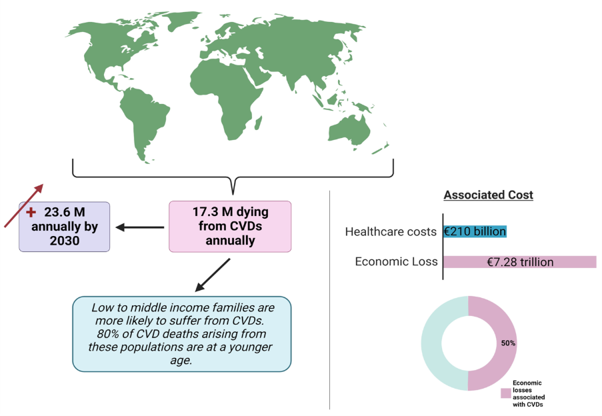
My DOROTHY research project focuses on the treatment and prevention of cardiovascular diseases (CVDs), which are currently still the leading cause of death globally. Despite major advances in medicine, heart disease and stroke claim millions of lives every year and place an enormous strain on healthcare systems. Biomedical engineering offers an incredible opportunity to address this burden through innovative diagnostics, smarter drug delivery systems, tissue regeneration, and implantable medical devices.
This year, I had the unique opportunity to undertake the outgoing phase of my DOROTHY fellowship at the University of Oxford.
From the moment I stepped into the historic university town, it was clear that Oxford is a place steeped in both tradition and cutting-edge science. The University of Oxford offered a cultural and intellectual experience that was enriching, for example, by facilitating public lectures by Nobel Laureates. Another highlight of my exchange was the unparalleled access to world-renowned scientists and leaders. Oxford regularly hosts leading figures in biomedical research, creating unique opportunities for discussion, inspiration, and collaboration. During my time there, we had the privilege of welcoming Professor Robert Langer from MIT—a pioneer in biotechnology and one of the most cited researchers in history—to our lab. He gave two compelling talks, one on the advances of drug delivery systems and tissue engineering, and another on the journey of translating academic research into successful biotech ventures. Being able to engage with him in a small-group setting was not only intellectually stimulating but also deeply motivating. These moments of direct interaction with global leaders in the field—something Oxford makes surprisingly accessible—were among the most valuable aspects of the experience so far. They provided fresh perspectives, provided new research ideas, and sparked conversations that may lead to future collaborations.
My research group, which is hosting me during my outgoing phase, is led by Professor Dame Molly Stevens, a global leader in biomedical materials and translational bioengineering. The Stevens Group is known for its interdisciplinary approach, combining materials science, biology, chemistry, and engineering to tackle some of the most pressing challenges in medicine and translating these technologies to patients. Being embedded in this vibrant intellectual ecosystem was incredibly energising.
The lab environment was nothing short of inspiring. I love being surrounded by researchers from all over the world who come together with a shared passion for innovation and impact. I was welcomed into a culture of curiosity, innovation, and collaboration. Weekly lab meetings, journal clubs, and informal brainstorming sessions offered an ongoing opportunity to challenge assumptions, refine hypotheses, and expand the scope of my own work. There’s a strong culture of mentorship and open discussion. I found that even the most senior researchers were generous with their time and insights, and there was a genuine enthusiasm for collaboration. That openness sparked new ideas and unexpected connections—exactly the kind of intellectual cross-pollination that drives innovation.
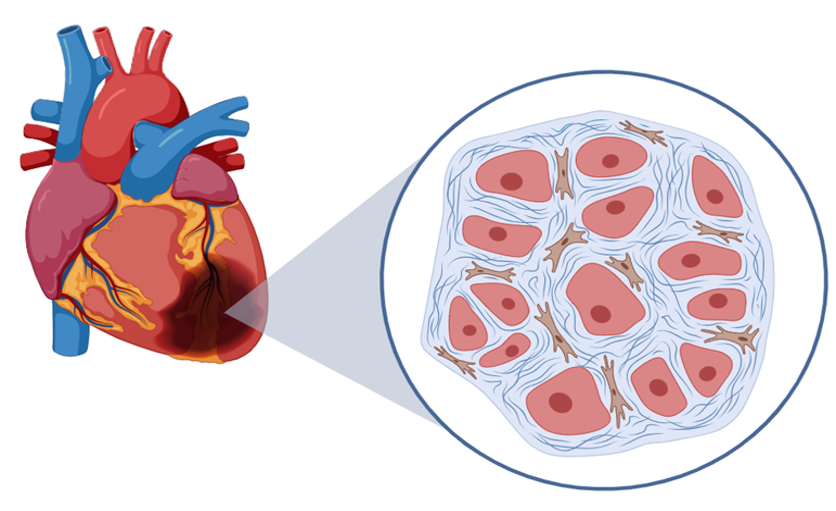
In the Stevens Group, I have the chance to explore how advanced biomaterials and nanotechnologies can be engineered to interact precisely with cardiovascular tissues. Whether it’s scaffold materials to support heart tissue regeneration or developing additives to improve the material’s properties, such as its conductive capacity, our work aims to bring the lab bench closer to the patient’s bedside. It’s this translational focus—turning cutting-edge science into real-world solutions—that makes biomedical engineering such a powerful tool in the fight against CVDs.
Adjusting to life in Oxford also meant embracing a distinctly local tradition: cycling. With much of the city centre closed to cars and an infrastructure built around bike traffic, cycling quickly became my primary mode of transport. At first, navigating the narrow, cobbled streets on two wheels felt like a challenge, but it soon became one of the most enjoyable parts of my routine. There’s something energising about riding through centuries-old college quads on the way to the lab, passing students, tourists, and academics all pedalling alongside each other.
On a personal note, it was also a reminder of the role that daily physical activity plays in maintaining cardiovascular health—one of the very systems we’re trying to understand and improve in the lab. In a way, the culture of cycling in Oxford reflects a lifestyle rooted in both tradition and wellbeing, and it made me feel even more connected to the research I was conducting.
This research exchange has been a pivotal chapter in my academic journey so far. It deepened my technical expertise, broadened my perspective, and reminded me of the power of community in science. The friendships and professional connections I’ve made will continue to shape my work for years to come. To anyone considering a research exchange—especially at a place like the University of Oxford—I can only say: go for it! The combination of high-impact research, a rich academic culture, and an international network of brilliant minds make it an unparalleled learning opportunity.